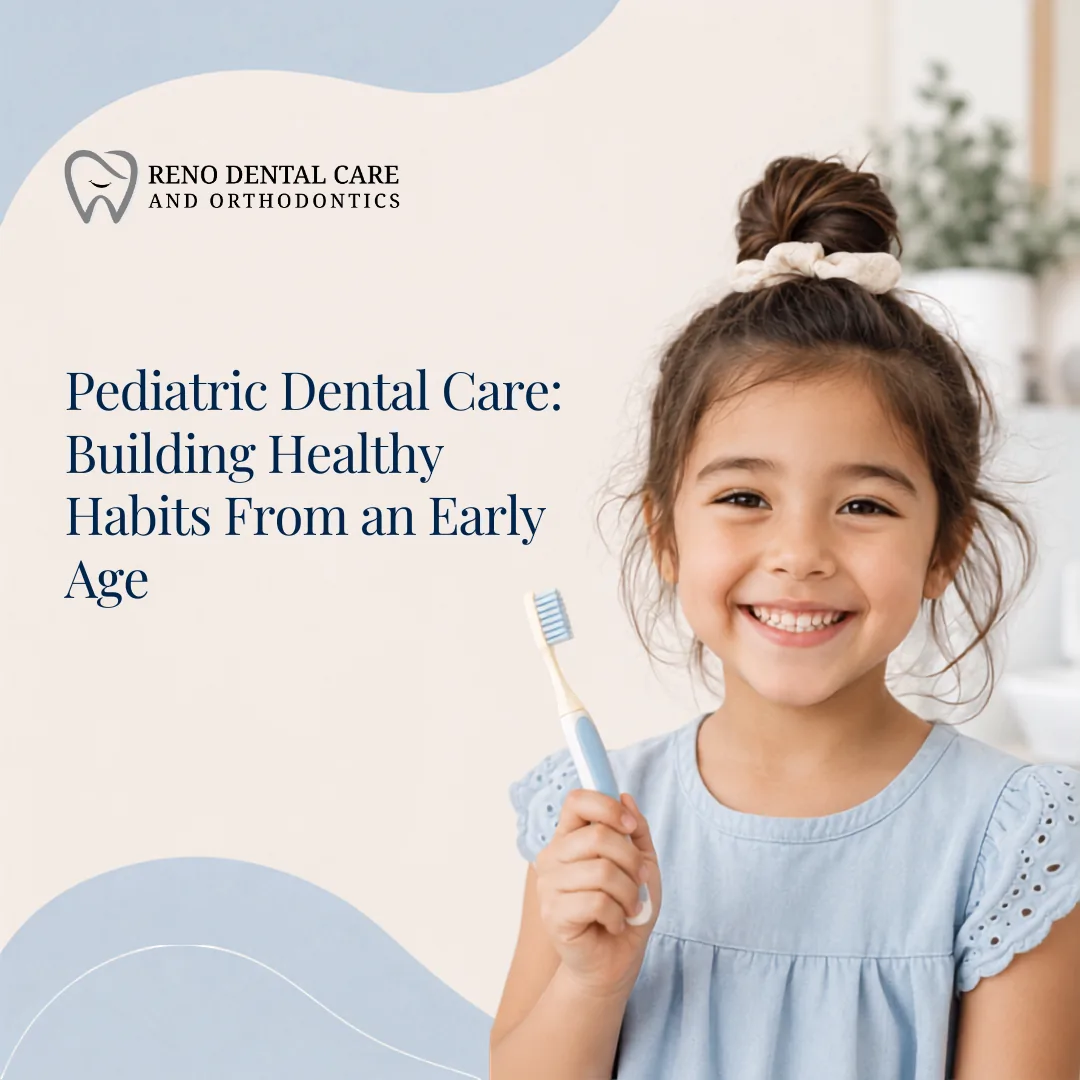
Parents often feel lost when a child resists tooth brushing or eats too many sweets. This can lead to cavities, gum disease, and bad habits. Here you will know about oral hygiene, tooth brushing, fluoride use, and simple preventive care. You will also find parental guidance for daily routines and healthy diet tips.
Children should brush twice a day with fluoride toothpaste, starting with a smear and moving to a pea-sized amount around age two. They need early childhood care, proper brushing and flossing techniques, and dental checkups. Pediatric dentistry and regular preventive care protect children’s overall health.
Children need daily oral hygiene routines to keep their teeth and gums healthy. Parents should teach kids proper brushing and flossing techniques from an early age.
Starting oral hygiene early is crucial for children. Parents can begin cleaning their baby's gums with a soft cloth after feeding. By age one, the child should visit a pediatric dentist to help establish good habits.
At age two, parents can introduce fluoride toothpaste in a pea-sized amount. Kids should brush their teeth twice a day. Parents need to assist them until they develop strong brushing skills.
Teaching proper techniques now helps prevent problems like cavities and gum disease later. Creating fun routines makes these early steps enjoyable for kids and sets up long-term healthy habits.
Building on early oral hygiene routines by age and stage, teaching proper brushing and flossing techniques is essential. Children should start brushing their teeth twice a day with fluoride toothpaste.
Parents need to help until kids develop the skills to brush effectively on their own. A pea-sized amount of toothpaste is adequate for children around age 2.
Demonstrating correct techniques makes a big difference. Parents can show kids how to hold the toothbrush at a 45-degree angle against their gums. Brushing in small circular motions helps clean every tooth properly.
Flossing should begin once two teeth touch each other; parents can guide children through this process as well. By establishing these habits early, families can promote good dental health and prevent cavities or gum disease later on.
Teaching proper brushing and flossing techniques helps children build a positive attitude towards oral care. Parents can make this routine fun by using colorful toothbrushes and flavorful fluoride toothpaste.
Singing songs or playing short videos during tooth brushing can create excitement around the task. Regular practice turns healthy habits into enjoyable daily routines.
Consistency is key for children's dental health. Parents should assist until their child develops good brushing skills, usually around age six. Limiting sugary snacks and promoting a healthy diet supports better oral hygiene outcomes.
Ongoing encouragement makes dental visits feel less intimidating, ensuring kids look forward to regular checkups with their pediatric dentist.
Preventive strategies help children enjoy their dental visits. Positive experiences during these appointments can build a lifetime of good habits.
Proper nutrition plays a critical role in children's dental health. Parents should limit sugary snacks and beverages. High sugar intake increases the risk of cavities and gum disease.
Healthy eating habits contribute to better oral hygiene outcomes. Parents can introduce fruits, vegetables, and whole grains into their child's diet. These choices promote strong teeth and healthy gums.
Pediatric dentists recommend offering fluoride treatments to strengthen enamel as well. A balanced diet helps children maintain good oral hygiene throughout their lives. As kids enjoy nutritious foods, they develop positive associations with meal times.
Regular dental checkups play a vital role in children's oral health. These visits help detect problems early, such as cavities and gum disease. Pediatric dentists guide both parents and children in building healthy habits. They provide tips on proper tooth brushing techniques and the use of fluoride toothpaste.
Parents should schedule these appointments at least every six months. This frequency allows dentists to monitor children's dental development closely. Establishing comfort with dental visits can shape a child's long-term attitude toward oral care.
Creating positive experiences during these checkups lays the foundation for maintaining good dental health throughout their lives.
Establishing trust with a pediatric dentist is essential for a child's comfort during dental visits. Children who feel secure are more likely to accept oral hygiene routines, including tooth brushing and flossing.
Parents can help by talking positively about dental checkups, making them less intimidating. Good early experiences with the dentist shape how children view future appointments.
Parents should encourage their kids to express any fears or concerns before visiting the dentist. This open communication builds confidence and eases anxiety. Pediatric dentists use gentle techniques that create positive associations with dental care; these experiences promote healthy habits that last a lifetime. By fostering trust in this environment, parents set their children up for better dental health down the road.
Pediatric dentistry cares for children's dental health from the start. It uses preventive care and oral hygiene to stop cavities and gum disease. It helps form healthy habits for life.
Schedule dental checkups every six months or as the dentist advises. Regular visits catch cavities and gum disease early. They support preventive care and better dental health.
Have your child brush teeth twice a day with fluoride toothpaste. Show correct tooth brushing steps and join the routine at first. Keep it in daily routines to build healthy habits.
Offer water, fruits, vegetables, and plain milk. Cut back on sweet drinks and snacks. A healthy diet protects dental health and lowers the chance of cavities and gum disease.
Bring your child to pediatric dentistry by their first birthday or when the first tooth appears. Pediatric dentistry, also called children's dentistry or child dentistry, checks oral hygiene and dental health. The dentist may give fluoride, show preventive care steps, and explain how to avoid cavities and gum disease.
Tell us a little about what you need — we'll be in touch shortly.
8040 S Virginia St, Suite 1 , Reno, NV 89511

Hi! I'm Tooth fairy! Your AI Assistant Ask me anything