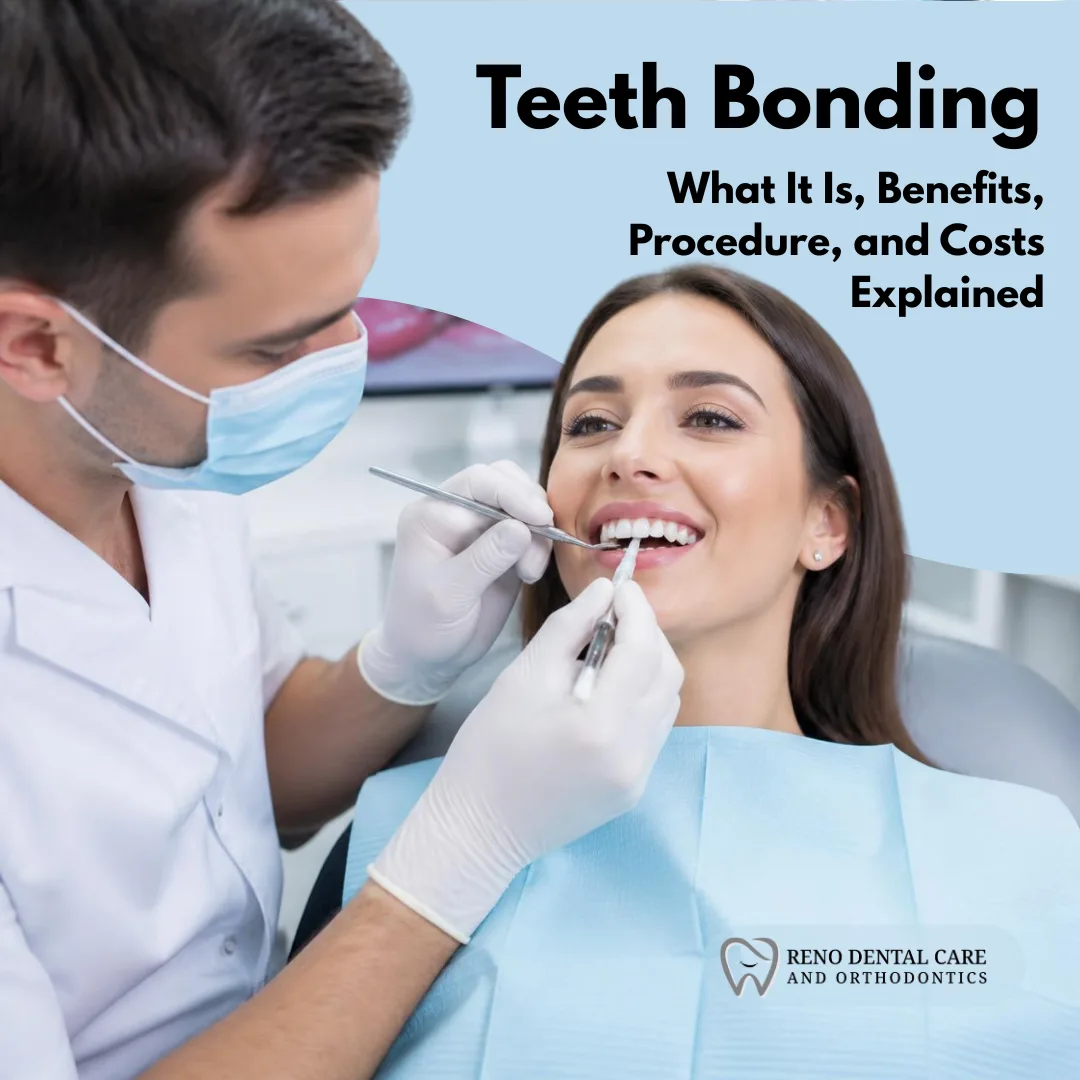
Ready to fix a chip or gap? Learn more about teeth bonding in Reno, NV, or book a cosmetic consultation.
Many people hide their smile because of a chip, a gap, or a stain that whitening never quite fixed. They want something quick and affordable. Teeth bonding is often the answer — a common cosmetic procedure that reshapes and recolors a tooth in a single appointment.
Dental bonding uses a tooth-colored composite resin — the same material used in composite fillings — sculpted directly onto the tooth and hardened with a curing light. Nationally, out-of-pocket costs commonly run about $100 to $500 per tooth. Below we walk through the benefits, the step-by-step procedure, typical costs, and how to care for bonded teeth afterward.
Bonding is one of the most versatile treatments in cosmetic dentistry. A single visit can change the shape, size, or color of a tooth without the lab work that veneers and crowns require.
Common uses include chipped front teeth, small gaps between teeth, discolored spots that whitening cannot lift, slightly short or uneven teeth, and exposed root surfaces near the gumline.
Your dentist reviews your oral health, confirms the tooth is healthy enough to bond, and selects a composite shade that matches the surrounding enamel. If there is decay or gum inflammation, that is treated first — bonding is placed on a healthy foundation, not over a problem.
The tooth is cleaned, then a mild etching solution creates microscopic grooves in the enamel. Those grooves are what give the resin something to grip. A bonding agent is applied over the etched surface.
The composite resin is applied in layers and shaped by hand to rebuild the contour of the tooth. This is the artistic part of the appointment, and it's where an experienced hand shows in the final result.
A specialized curing light hardens each layer in seconds, locking the resin to the tooth.
The dentist trims the bonded area, checks how it meets your opposing teeth, and polishes it until it blends with the natural enamel around it.
Most patients need little or no anesthetic, and a single tooth generally takes about 30 to 60 minutes depending on how much needs to be rebuilt.
Cost depends on how many teeth are treated, how much of each tooth is being rebuilt, and the experience of the dentist doing the work. Nationally reported ranges look like this:
| Treatment | Typical cost per tooth | Visits |
|---|---|---|
| Dental bonding | $100 – $500 | 1 |
| Porcelain veneer | Significantly higher | 2+ |
| Crown | Significantly higher | 1 – 2 |
Purely cosmetic bonding is usually not covered by insurance. When bonding repairs a fractured tooth or restores decay, however, many plans do contribute — see our dental insurance page for the plans we accept, or ask about payment and financing options if you're spreading treatment over time. For an exact number, the only reliable figure is a written estimate after an exam.
Composite resin is strong, but it is not enamel. It can chip under heavy force and it can stain over time — unlike porcelain, it does not respond to whitening once it has discolored. A few habits make a large difference:
Well-cared-for bonding commonly lasts several years before it needs polishing, touch-up, or replacement.
Bonding is an excellent fit for small, front-of-mouth cosmetic corrections and for patients who want a conservative, affordable option. If you have widespread discoloration, heavy wear across many teeth, or a tooth that has lost significant structure, a veneer or crown may hold up better long term. That comparison is exactly what a consultation is for.
To find out whether bonding is the right fix for your smile, call Reno Dental care and Orthodontics at 775-339-9893 or request an appointment online. We see patients from across Reno, Sparks, and the surrounding communities.
Teeth bonding is a cosmetic procedure that uses tooth-colored composite resin to repair or reshape a tooth. The dentist applies the resin directly to the tooth, sculpts it, and hardens it with a curing light — closing gaps, rebuilding chips, and matching the color of surrounding enamel, usually in one visit.
Bonding is fast, minimally invasive, and far less expensive than veneers or crowns. It removes little or no natural enamel, it is generally reversible, results are visible the same day, and sealing worn or exposed areas can reduce sensitivity.
The dentist cleans the tooth and matches a composite shade, etches the surface so the resin can grip, applies and sculpts the resin in layers, hardens each layer with a curing light, then trims, checks your bite, and polishes. One tooth usually takes 30 to 60 minutes and often needs no anesthetic.
With good care, bonding commonly lasts several years. Avoid hard foods for the first 48 hours, don't use bonded teeth to bite nails or open packaging, limit coffee, tea, red wine, and tobacco since composite stains and cannot be whitened, brush and floss daily, and keep six-month checkups.
Bonding commonly runs about $100 to $500 per tooth nationally, depending on how much of the tooth is rebuilt and the dentist's experience. Purely cosmetic bonding is often not covered by insurance, while repairing a fractured or decayed tooth frequently is. It suits people with small chips, gaps, or discolored spots who want a conservative, affordable fix.
Tell us a little about what you need — we'll be in touch shortly.
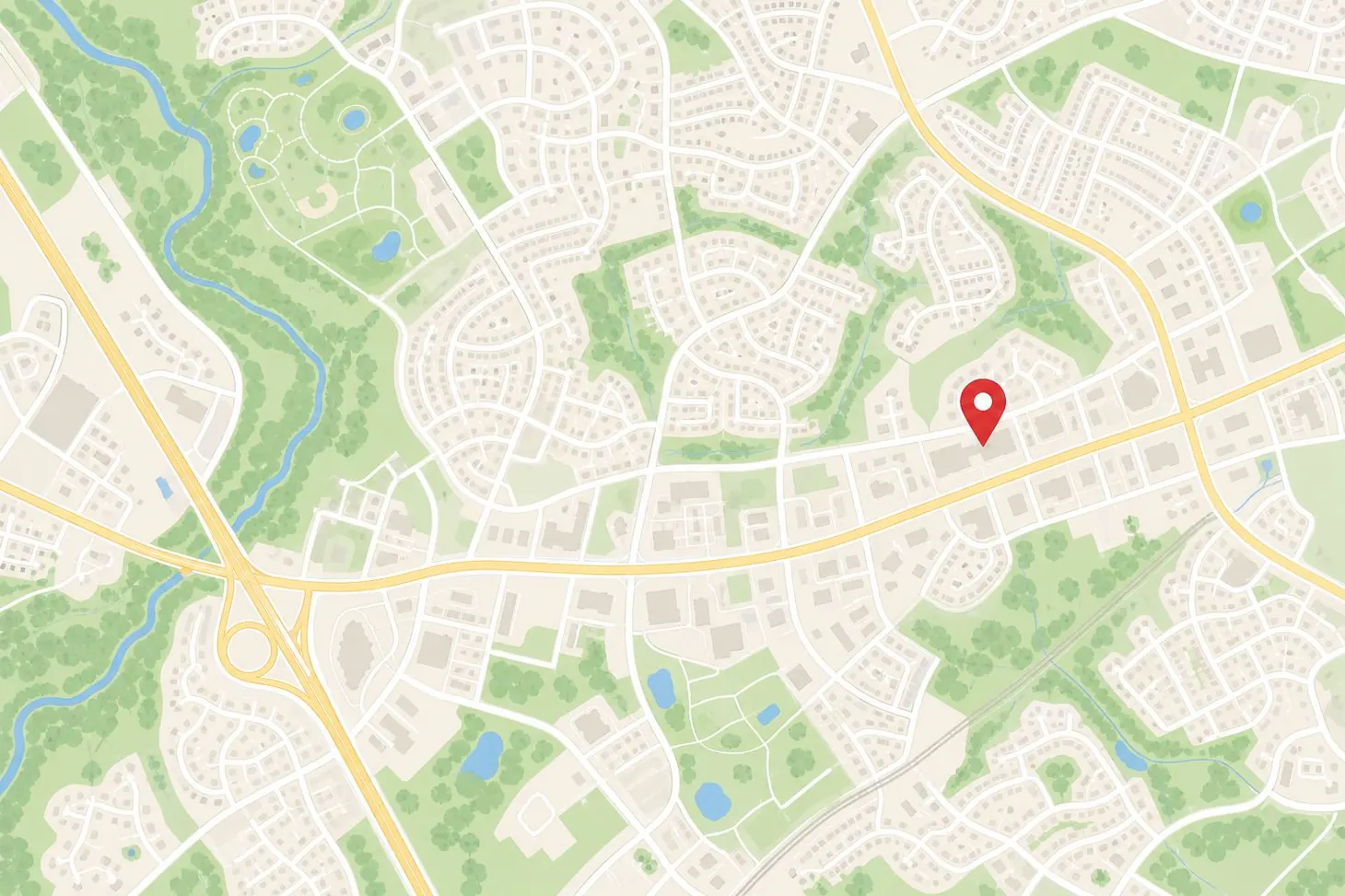
8040 S Virginia St, Suite 1 , Reno, NV 89511

Hi! I'm Tooth fairy! Your AI Assistant Ask me anything